Source Iridium Spark Plugs for Cars, Motorcycles, and Engines
Explore 30 listings for iridium spark plugs suitable for Nissan vehicles and distributorless ignition systems. Compare models like HB6AIX-11P and K-IZFR6-11, noting certifications such as TSISO9001 and material compositions including alumina ceramic double iridium for reliable performance; compare the available evidence and request quotations based on your requirements.
Key considerations
Products List


Comprehensive Sourcing Guide
Iridium Spark Plugs Sourcing Guide
Sourcing high-performance ignition components requires a nuanced understanding of material science and manufacturing precision. Iridium spark plugs utilize a fine-wire center electrode made from an iridium alloy, which offers superior conductivity and resistance to corrosion compared to traditional nickel or platinum alternatives. This material choice allows for a narrower electrode tip, facilitating a more consistent and reliable spark under high-pressure conditions. Buyers must recognize that the premium nature of iridium translates to specific procurement challenges, including stricter quality control requirements and higher unit costs, necessitating a careful evaluation of supplier capabilities before committing to volume orders.
The global market for these components is heavily concentrated in specific manufacturing hubs, with China emerging as a primary source for both OEM and aftermarket parts. Suppliers in regions like Xingtai, Hebei, often leverage established industrial ecosystems to produce ceramic and metal assemblies that meet international automotive standards. However, the diversity of available models, ranging from standard configurations to specialized distributorless ignition system components, means that buyers cannot rely on generic specifications. It is essential to match the precise thread size, reach, and heat range to the target engine application to ensure optimal performance and prevent mechanical damage during installation.
Product Scope and Observed Listing Signals
The current market landscape for iridium spark plugs reveals a wide variance in product attributes and listing signals that buyers must navigate carefully. Observed data indicates a price range from $0.09 to $60 USD, reflecting the disparity between basic aftermarket replacements and high-end performance parts. Minimum Order Quantities (MOQ) vary significantly, ranging from small trial orders of 1-20 pieces to bulk industrial requirements of up to 5,000 pieces. This flexibility allows small distributors to test market demand, while large fleet operators can secure consistent supply chains. Buyers should interpret these ranges as indicators of supplier scale rather than absolute market norms, as pricing and volume commitments are often negotiable based on long-term partnership potential.
Specific product models observed in listings provide critical clues about supplier specialization and inventory depth. Models such as HB6AIX-11P, K-IZFR6-11, and AIX-LFR5-11 suggest a focus on specific vehicle platforms, including Nissan applications. The presence of diverse thread standards, such as S16M14x19 and S16M12x26.5, highlights the technical complexity involved in manufacturing compatible parts. Buyers should verify that the listed models align with their target customer base, as mismatched specifications can lead to high return rates. Additionally, the availability of customization options and OEM/ODM acceptance indicates that many suppliers are equipped to handle branded packaging and tailored engineering requirements for private label programs.
Technical Specifications to Verify
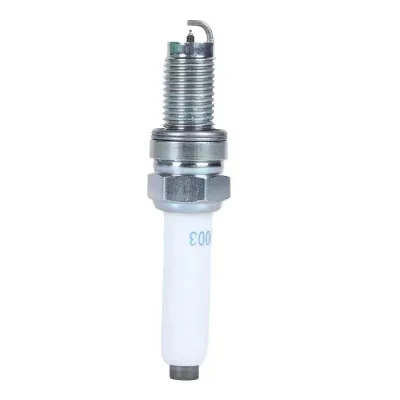
Technical verification is paramount when sourcing iridium spark plugs, as minor deviations in dimensions can cause severe engine damage. Buyers must meticulously cross-reference thread pitch, reach, and gasket seat type with the original equipment manufacturer (OEM) specifications. Observed standards such as S14M12x26.5 and S16M14x26.5 demonstrate the variety of thread configurations available. It is crucial to confirm the exact thread cover type, whether plastic or paper, to ensure protection during shipping and installation. The ceramic insulator material, often described as A Grade Hot Casting Ceramic, must be verified for density and thermal stability to prevent cracking under extreme heat cycles.
Electrical and structural integrity also require close scrutiny. The metal plating, available in bright nickel, black nickel, or pearl nickel, serves both aesthetic and anti-corrosion purposes. Buyers should confirm the gasket type, typically standard crush washers, to ensure proper sealing. The composition of the electrode, often an alumina ceramic double iridium structure, directly impacts ignition efficiency and longevity. Additionally, the production capacity, noted as 100,000 pieces per day for some suppliers, indicates the ability to handle large-scale orders without compromising quality. Verifying these technical details through sample testing is essential before approving mass production runs.
Compliance and Safety Documentation
Compliance with international quality management standards is a baseline requirement for reputable spark plug manufacturers. Many suppliers hold TSISO9001 and ISO9001 certifications, which validate their adherence to rigorous production and quality control processes. These certifications are critical for buyers operating in regulated markets, as they provide assurance that the manufacturing environment meets consistent quality benchmarks. Buyers should request valid certification documents and verify their expiration dates to ensure ongoing compliance. The presence of CE certification for specific components further indicates adherence to European safety and environmental directives, which is vital for exports to the EU market.
Beyond manufacturing standards, buyers must ensure that the products meet specific automotive industry requirements. The classification of these items as electrothermal ceramics suggests a need for thermal performance testing. Documentation should include material safety data sheets (MSDS) for the ceramic and metal components, ensuring that no hazardous substances are used in the manufacturing process. Additionally, buyers should inquire about the testing protocols used to verify the 100% professional test claim. This includes electrical resistance testing, compression strength testing, and thermal shock resistance checks. Comprehensive documentation not only facilitates customs clearance but also builds trust with end-users who prioritize safety and reliability.
Cost Drivers and Commercial Terms
Understanding the cost structure of iridium spark plugs helps buyers negotiate better terms and avoid hidden expenses. The primary cost drivers include the raw material price of iridium, which is a precious metal, and the complexity of the manufacturing process. The use of high-grade alumina ceramic and precise electrode machining adds to the production cost. Buyers should also consider the packaging options, such as color boxes, blister packs, or loose packing, as these can significantly impact the final unit cost. Custom packaging and branding, often requested for OEM/ODM projects, will incur additional setup and material fees.
Commercial terms, including lead times and payment conditions, vary widely among suppliers. Observed delivery times range from about 3-10 working days for stock items to 30 days for custom production runs. Buyers must align their inventory planning with these lead times to prevent stockouts. The MOQ of 2000 pieces for certain models suggests that bulk discounts are available for larger orders. Payment terms should be negotiated to balance risk, with options like letters of credit or escrow services providing security for both parties. Clear agreements on shipping responsibilities, such as FOB or CIF, are essential to avoid unexpected logistics costs.
Supplier Qualification and Quality Control
Supplier qualification is a multi-step process that goes beyond reviewing certifications. Buyers should conduct on-site audits or request detailed virtual tours to assess the manufacturing facility's cleanliness and organization. The presence of advanced testing equipment and automated production lines is a strong indicator of consistent quality. Suppliers who offer customization and accept OEM/ODM requests typically have more flexible and robust engineering teams. It is also important to evaluate their supply chain resilience, ensuring they have stable sources for raw materials like iridium and ceramic powders.
Quality control measures must be explicitly defined in the purchase agreement. Buyers should insist on pre-shipment inspections (PSI) to verify product conformity before goods leave the factory. The claim of 100% professional testing should be backed by detailed test reports for each batch. Sampling plans, such as AQL (Acceptable Quality Limit) standards, should be agreed upon to determine the number of units to inspect. Additionally, buyers should establish a clear protocol for handling defective products, including return policies and credit notes. Building a strong relationship with the supplier's quality assurance team can facilitate continuous improvement and faster resolution of any issues that arise during production.
Long-Term Procurement Checks
Long-term procurement success depends on continuous monitoring and relationship management. Buyers should establish key performance indicators (KPIs) to track supplier performance, including on-time delivery rates, defect rates, and responsiveness to inquiries. Regular reviews of these metrics help identify potential issues early and allow for corrective actions. Maintaining open communication channels with the supplier ensures that any changes in product specifications or market conditions are promptly addressed. This proactive approach helps mitigate risks and ensures a stable supply chain over time.
As technology evolves, buyers must stay informed about advancements in spark plug design and materials. New iridium alloys or ceramic compositions may offer improved performance or cost efficiencies. Buyers should encourage suppliers to innovate and provide updates on new product developments. Additionally, staying compliant with changing environmental regulations is crucial, as restrictions on hazardous substances may impact material sourcing. By fostering a collaborative partnership with suppliers, buyers can leverage their expertise to optimize product offerings and maintain a competitive edge in the market. This long-term perspective ensures sustainable growth and mutual benefit for both parties.
FAQs
What certifications do these spark plugs hold?
These spark plugs hold TSISO9001 and ISO9001 certifications for quality assurance. Some listings also indicate CE certification compliance. This ensures the components meet international manufacturing standards for reliability and safety in automotive applications.
Which car brands are these spark plugs suitable for?
These spark plugs are suitable for Nissan car brands. They are designed for distributorless ignition systems and fit 1, 2, or 4 cylinder engines. This compatibility ensures proper performance for specific vehicle models requiring these ignition components.
Can I request customization for these spark plugs?
Yes, customization is available for these spark plugs. Buyers can request specific colors like white, ash, red, yellow, or orange. Customization options also extend to packaging and thread covers to meet unique buyer requirements.
What is the minimum order quantity for these plugs?
The minimum order quantity varies between 20 and 2000 pieces depending on the specific product listing. Some suppliers require 20 pieces while others set the MOQ at 2000 pieces. Buyers should check specific product pages for exact thresholds.
How long is the delivery time for these items?
The delivery time is about 3 to 10 working days for standard orders. Some production runs may take up to 30 days depending on customization needs. This timeline ensures timely supply for urgent automotive maintenance or manufacturing schedules.
What materials are used in these spark plugs?
These spark plugs are made from ceramic and metal materials. The ceramic component is often A Grade Hot Casting Ceramic, ensuring durability. The metal parts may feature bright nickel, black nickel, or pearl nickel plating for enhanced performance.
Where are these spark plugs manufactured?
These spark plugs are manufactured in China, specifically in Xingtai, Hebei. This location is a known hub for automotive component production. The origin ensures access to established supply chains and competitive manufacturing capabilities for global buyers.